A tube, flat, or loop resistance band? Fit tube or clip tube? Exercises or therapy bands, or fitness tubing? I know, this is all very confusing. Deciding which type of resistance bands to buy can be very tricky due to all those unfamiliar terms and different types of the product, but don’t worry, I’ll make it clearer so that you’ll have a better understanding of bands and their uses, and even find the best resistance bands for your use using resistance band reviews.
They might bear many names, but a resistance band is at first a rubber strip employed for strength training and physical therapy or rehabilitation. Of course, it holds many more beneficial properties than you think, which you need to be aware of so as to make an intelligent choice and pick a type that fits you and your fitness goal.
Recumbent exercise bikes have fast become a major part of home fitness today. In recent years the number of people considering using the best recumbent bikes has soared. As the numbers of people interested in professional cycling and general fitness rise, home gym equipment has become more affordable and easy to use. Let me help you find the best recumbent bike using these recumbent bike reviews.
People want easy gym equipment they can use recumbent bikes are certainly very simple to use, similar to these best adjustable dumbbells. They do not require a lot of skill or time to set up and use either. What is more, they are the perfect beginner tool especially for those who are interesting in cycling. The strain is very little but they do offer power and the chance to improve on your fitness.
What about the risks related to the use of resistance bands? We often hear of their benefits and exercises, but seldom do the injuries they can inflict upon us. Fortunately, there are ways and tips to reduce the damage and use them properly. The two main problems are letting of a handle and the snapping of the bands. Either way, it results in hitting the user violently and possibly injuring them.
Risks and Information
Despite their many benefits and endless possibilities of exercises, bands also have risks related to them that are way too often overlook, such as them snapping and hurting the user or letting go of an handle or them slipping from under your feet. They might also harm someone close by.
Maintenance of the Bands
As with all exercising equipment, there are proper care and storage rules so as to ensure a safe training and good function.
Cleaning: Do not clean the cords with soap or cleaning products since they might deteriorate their strength and always wipe them with a damp cloth.
Storage: You need to make sure they’re not stored near direct sunlight nor heat sources or outside and in cold environments as these deteriorate the tubes.
Use: The tubes as well as their weak areas, meaning the ends where the handles are connected to them, should always be checked before use in case there’s any damage.
Guidelines for a Safe Workout
There are a few safety basics to follow when exercising with resistance tubes. No matter the types, even if they’re well-known and generally safe, just like the best resistance band we have reviewed, you must follow these too little known guidelines.
Tips to Prevent Injuries
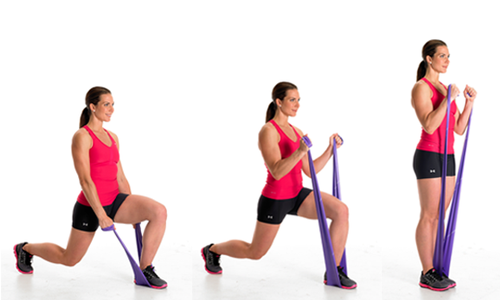
Several exercises are available to all levels of users, from beginners to the more experienced ones. Here are a few exercises for you to do gradually and changes to add in order to prove you there’s no requirement to be strong to train with bands since it adapts to everyone:
Inspection: You must always read the labels for safety recommendations and warnings as they vary from brands and types. It is also best to check them before every use for tear in the fabric, discolored parts, and any sign of weaknesses about the handles which are the most likely to snap.
Use: You must learn how to use a band properly and not rely on your instructor in case he wants you to do something that is not safe. Always question him. Then, if during your training you’ll need to step on it, you have to wear good shoes with soles that are nonabrasive in order to prevent you from damaging them. Plus, it decreases the risks of it slipping from under your feet.
It is advisable to buy several bands as shortening them for more tension shortens their life a lot, even though it’s useful and a common practice. Another tip is to stop looking at the band during your training as it can snap back and injure your eyesight. Make sure you’re not training on an uneven floor or abrasive one as it could damage the tubes if you need to step on them.
Storage: Whatever you do, you mustn’t tie it down or it will create areas of friction and weaken the band. Moreover, do not store or use it in direct sunlight, hot or moist places, near pools for it deteriorates the cords’ strength.
Others: It’s a risk that the people around you could get hurt if your bands break, so it’s preferable if you kept your distance and gave yourself a lot of space for your training. Remove all jewelry while training for they can cause damage to the cords by rubbing on them.
Also, make sure you don’t overstretch them through extension to more than twice their original length or it will deteriorate them. It is also best to buy braided bands as they offer an extra level of safety thanks to its unravelling if one of their braids breaks.
Best Not to Forget the Safety Tips
Resistance cords may be very useful as they’re easily stored away and employed, but they can still be dangerous when not used properly. The worst that can happen is you letting go of a handle or the band snapping and injuring you severely. Fortunately, there exists a few tips to help prevent these accidents, including reading the labels for safety recommendations and warnings and checking the bands for tears in the fabric before every use.
We hear about resistance bands and their benefits from every side nowadays, but one question remains: do we need to be strong to use resistance tubes? Despite your apprehensions and doubts, the answer is no, you don’t have to since they are designed to develop your strength through tension. Continue reading →
Several factors must be taken into account when buying resistance tubes, the most important being their manufacturing method. As surprising as this sounds, there are huge differences between dipped and extruded bands. They make the basis of your workout, so be sure to choose the best ones.
What Are Resistance Bands?
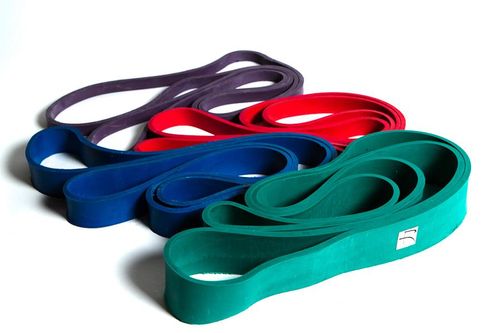
They are dipped or extruded rubber strips of different colors and tension level made to train with and build muscles. Bands are usually color-coded and vary in forms, accessories, and their resistance levels. There are three types and they differ in shape and focus of training. Continue reading →
Everyone knows that a good work out tool will ensure that your body is able to get the very best work out for your system. One of the more popular pieces of equipment today has to be the stationary tool. Bicycles such as the recumbent exercise tool are becoming very popular and it is no wonder, they do offer everyone a lot of quality and excellence when it comes to getting a full and frank but effective training program for the body.
You need to remember that when someone cycles on the best recumbent bike, they have the feeling as though the unit is outside and that they are doing all of the cycling outside as well. However, that is not the case, the bicycle is indoors but as the cyclist, the rider can still have a great work out. If riders don’t want to cycle outdoors when the bad weather starts up then they simply do not have to.
We often hear about how resistance bands can be beneficial for the health for adults and young people alike, but what about the older adults, the elderly? Are they comfortable using them, or is it too demanding? What are their concerns and how can we solve them? What are the benefits and how should they go about it? All of these questions are rarely tackled, but it’s going to change! Continue reading →
Everyone wants to give their body a thorough workout otherwise the time taken on an exercise period is a waste. Effective work outs don’t need to be too hard but it needs to be able to give the entire body a workout for it to do any good and be effective. Exercising isn’t just about losing excess weight, it’s about keeping the body in shape and healthy.
Everyone wants to choose the right equipment but which is the best? There are lots of different options to consider from the usual weight lifting machines to the newer craze dances. Though, two very popular home work out equipment pieces being used are the treadmill and recumbent exercise bikes. They are both great, there is no arguments about that but which are better? Continue reading →
Exercising bands, cords, tubes… It’s all very interesting, but where and when has this trend begun? Once upon a 1895 year, a man named Gustav Gossweiler invented a stretchy gymnastic apparatus, which is their obvious ancestor. Follow me and you’ll learn all the answers to this question.
Of course, there have been many research, improvements, and new types (3 actually) developed over the years. But what changed, and what haven’t? Also, what had it been invented for? Or maybe you’re wondering what it could do at first and when have the health benefits been figured out? Let’s have a look at the band’s history so you understand it better. Continue reading →
Recumbent exercise bikes are certainly some of the best forms of gym equipment available today. They not only allow someone to workout comfortably at home but offer them a new dimension to the everyday workout. However, for so many people, they don’t really think that a stationary tool is worth the hassle. Most people think that they already cyclist to work in the morning so that means they have got enough training but that isn’t the case. What is more, millions of people rarely cycle to work and very few don’t have a good enough system stimulant time either.
That is why the recumbent exercise bikes are important to consider because they do offer a lot of great advantages over other gym equipment as well as other stationary tools. However, getting into shape will be important and it is in fact very simple to do when a rider uses a reclining bicycle. Continue reading →
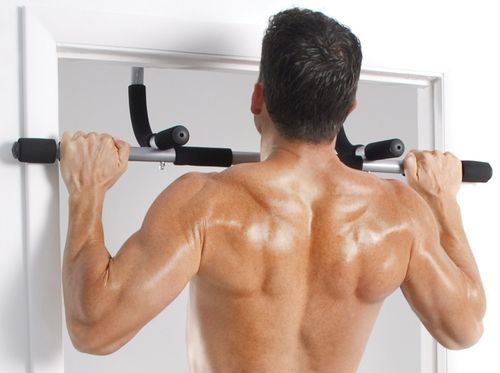
With the exponential growth of urban population showing no signs of plateauing any time soon, the demands on the average person’s domestic space grow weightier year on year. Since the economic crisis, growing numbers of people are choosing to downsize their home and, for those with a home gym, this often means their fitness equipment must be sacrificed to account for the loss of space. The IG total upper body workout bar addresses problems of space utilization in a pull-up bar which offers multiple workout options in a single piece at a mid-range price.
 A tube, flat, or loop resistance band? Fit tube or clip tube? Exercises or therapy bands, or fitness tubing? I know, this is all very confusing. Deciding which type of resistance bands to buy can be very tricky due to all those unfamiliar terms and different types of the product, but don’t worry, I’ll make it clearer so that you’ll have a better understanding of bands and their uses, and even find the best resistance bands for your use using resistance band reviews.
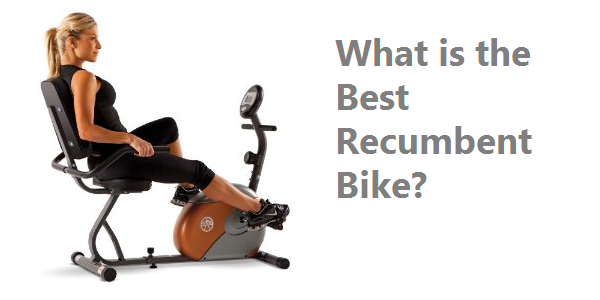 Recumbent exercise bikes have fast become a major part of home fitness today. In recent years the number of people considering using the best recumbent bikes has soared. As the numbers of people interested in professional cycling and general fitness rise, home gym equipment has become more affordable and easy to use. Let me help you find the best recumbent bike using these recumbent bike reviews.

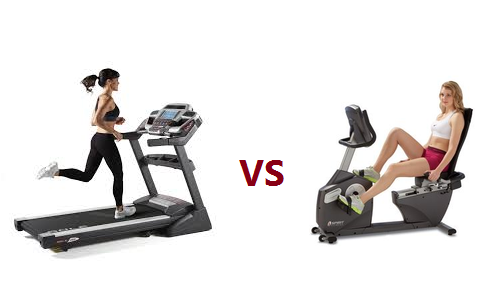
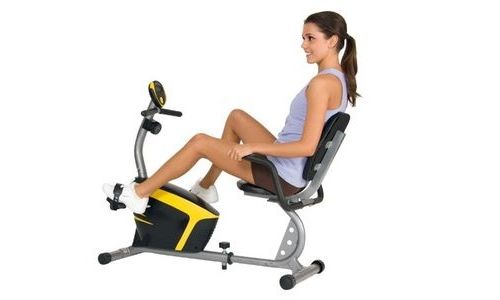 Recumbent exercise bikes are certainly some of the best forms of gym equipment available today. They not only allow someone to workout comfortably at home but offer them a new dimension to the everyday workout. However, for so many people, they don’t really think that a stationary tool is worth the hassle. Most people think that they already cyclist to work in the morning so that means they have got enough training but that isn’t the case. What is more, millions of people rarely cycle to work and very few don’t have a good enough system stimulant time either.